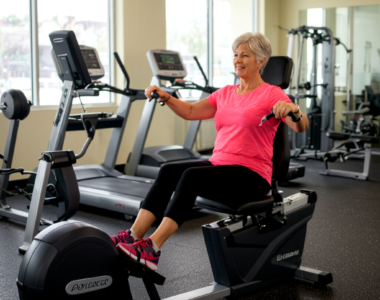

As individuals progress through life, maintaining physical and mental vitality becomes a priority for many. The process of aging, while natural, can be influenced by lifestyle choices that promote well-being and sustained energy. This article outlines key habits and strategies that support healthy aging, focusing on aspects such as exercise, nutrition, and general daily practices that contribute to a more robust and energetic later life. The aim is to provide practical guidance for individuals, particularly women, to navigate the aging process with a sense of preparedness and empowerment.
Physical activity is a cornerstone of healthy aging. Regular exercise acts as a powerful tool to combat the physical declines often associated with growing older. It helps to preserve muscle mass, which naturally diminishes over time, and maintains bone density, reducing the risk of osteoporosis and fractures. Furthermore, exercise plays a crucial role in cardiovascular health, strengthening the heart and improving blood circulation, thereby lowering the likelihood of heart disease and stroke. Beyond these physiological benefits, movement also has a profound impact on mental well-being, acting as a natural mood enhancer and stress reliever. Incorporating a variety of exercises ensures a well-rounded approach to physical fitness, addressing different aspects of health.
Cardiovascular Health and Stamina
Engaging in aerobic exercise is vital for maintaining a healthy heart and lungs. Activities like brisk walking, jogging, swimming, or cycling elevate your heart rate and improve your body’s ability to use oxygen. These exercises are like sharpening the engine of your body; they make it run more efficiently, allowing you to perform daily tasks with greater ease and less fatigue. Consistency is key; aiming for at least 150 minutes of moderate-intensity aerobic activity per week, as recommended by health organizations, provides a strong foundation for cardiovascular endurance. This doesn’t necessitate intense workouts; even moderate activity sustained over time yields significant benefits.
Strength and Stability
Building and maintaining muscle strength is essential for preventing falls and maintaining independence in later years. Strength training exercises, using weights, resistance bands, or even bodyweight, challenge your muscles to adapt and grow stronger. This is akin to reinforcing the structural beams of your home, ensuring it remains stable and can withstand external pressures. Incorporating strength training at least two days a week can significantly improve your ability to lift objects, climb stairs, and maintain balance. Focus on compound movements that engage multiple muscle groups, such as squats, lunges, and rows, for maximum efficiency.
Flexibility and Balance
As we age, flexibility and balance can decline, increasing the risk of falls. Exercises like yoga, Pilates, and simple stretching routines can help improve range of motion in your joints and enhance your body’s ability to react to sudden shifts. Think of flexibility as keeping the hinges of your body well-oiled, allowing for smooth and effortless movement, while good balance is like having a steady anchor. Regularly practicing these activities can significantly reduce the likelihood of falls and the injuries that can accompany them. Maintaining good posture, another benefit of improved flexibility and core strength, also contributes to overall physical comfort and efficiency.
The Joy of Movement: Finding Activities You Enjoy
The most effective exercise plan is one that you will stick with. Exploring different forms of physical activity is crucial to discovering what brings you joy and fits your lifestyle. Whether it’s dancing, gardening, playing a sport, or joining a walking group, finding activities that are enjoyable makes exercise feel less like a chore and more like a cherished part of your routine. This enjoyment acts as fuel for sustained effort, much like a pleasant melody keeps you engaged in a song. Shared activities can also provide social connection, adding another layer of benefit to your exercise regimen. Experiment with different options until you find your rhythm.
What you eat directly impacts how your body functions, and this holds especially true as you age. A well-balanced diet provides the essential nutrients your body needs to repair itself, maintain energy levels, and fight off disease. For women, specific nutritional considerations become particularly important, especially concerning bone health and hormonal balance. Focusing on nutrient-dense foods ensures that your body receives maximum benefit from your food intake, acting as a reliable fuel source for your aging journey.
Fueling the Female Body: Nutritional Needs for Women
Women’s nutritional requirements can shift throughout their lives, influenced by factors such as hormonal changes, pregnancy, and menopause. Calcium and Vitamin D are paramount for maintaining strong bones, reducing the risk of osteoporosis which is more prevalent in women. Iron remains important, especially before menopause, to prevent anemia. Adequate protein intake supports muscle mass and satiety, while healthy fats are crucial for hormone production and overall cell function. Understanding these specific needs allows for a more targeted and effective approach to diet.
Fiber: The Unsung Hero of Digestion and Beyond
Incorporating fiber-rich foods into your diet is a simple yet powerful habit for healthy aging. Fiber is essential for digestive health, promoting regularity and preventing constipation, which can become more common with age. Beyond digestion, fiber plays a role in managing blood sugar levels, contributing to the prevention of type 2 diabetes. It can also aid in weight management and may help lower cholesterol levels, further supporting cardiovascular health. Think of fiber as the street sweepers of your digestive system, keeping things clean and efficient.
Sources of Essential Fiber
A variety of foods are excellent sources of dietary fiber. Whole grains, such as oats, quinoa, and brown rice, are packed with this crucial nutrient. Fruits, like berries, apples, and pears (with their skins), and vegetables, including broccoli, Brussels sprouts, and leafy greens, offer substantial amounts of fiber. Legumes, such as beans, lentils, and chickpeas, are also fiber powerhouses. Including a diverse range of these foods ensures you are getting a broad spectrum of nutrients along with your fiber. Spreading these fiber-rich choices throughout the day is more effective than consuming them in one large meal.
Hydration: The Clear Elixir of Life
Water is fundamental to virtually every bodily process. Even mild dehydration can lead to fatigue, headaches, and decreased cognitive function. As we age, our sense of thirst can sometimes diminish, making it even more important to be mindful of consistent fluid intake. Aim to drink water throughout the day, and consider incorporating other hydrating fluids like herbal teas. Herbal teas without added sugar can offer additional benefits from their natural compounds. Think of water as the vital lubricant that keeps all the moving parts of your body functioning smoothly.
Beyond structured exercise and specific dietary choices, everyday habits significantly contribute to maintaining energy and overall well-being as you age. These are the small, consistent actions that build a resilient system, much like daily small repairs keep a building in good condition. Focusing on these practices can build a robust defense against the common challenges of aging.
The Power of Rest: Prioritizing Sleep
Adequate and quality sleep is non-negotiable for healthy aging. During sleep, your body repairs itself, consolidates memories, and regulates hormones. A lack of sleep can negatively impact mood, cognitive function, and immune response, making you feel more drained. Establishing a consistent sleep schedule, creating a relaxing bedtime routine, and optimizing your sleep environment are key to ensuring you get the restorative rest your body needs. Think of sleep as plugging your body into a high-speed charging station each night.
Mindful Moments: Stress Management Techniques
Chronic stress can take a toll on both physical and mental health, accelerating the aging process. Incorporating stress-management techniques into your daily life is crucial. This can include mindfulness meditation, deep breathing exercises, spending time in nature, or engaging in hobbies that bring you joy. Finding healthy outlets for stress is like building a buffer against the daily storms of life, protecting your inner calm. Even a few minutes of quiet reflection can make a noticeable difference.
Social Connections: The Glue of Well-being
Human connection is a vital component of a fulfilling and healthy life, especially as you age. Maintaining strong social ties with friends, family, and community members provides emotional support, reduces feelings of loneliness, and can even stimulate cognitive function. Actively seeking out opportunities for social interaction, whether through clubs, volunteer work, or simply regular calls with loved ones, is a powerful habit for sustained well-being. These connections act as a warm embrace for your spirit, providing comfort and a sense of belonging.
Lifelong Learning: Keeping the Mind Sharp
The brain, like any other part of the body, benefits from regular stimulation. Engaging in mentally challenging activities can help maintain cognitive function and memory. This can include reading, learning a new skill or language, puzzles, or playing strategy games. This commitment to continuous learning is like exercising your brain’s muscles, keeping them agile and responsive.
While many habits benefit everyone, specific considerations can enhance healthy aging for women. These often revolve around hormonal changes, bone health, and managing unique life stages. By understanding and addressing these specific needs, women can further optimize their health trajectories.
Navigating Menopause with Nutrition and Lifestyle
The menopausal transition brings about significant hormonal shifts that can impact mood, sleep, and metabolism, and increase the risk of bone loss. A diet rich in calcium, vitamin D, and plant-based estrogens (found in foods like soy and flaxseed) can help manage symptoms and support bone health during this period. Regular exercise, particularly weight-bearing and strength training, becomes even more critical for maintaining bone density and managing weight. Gentle stress-management techniques are also valuable for emotional balance.
Bone Health: A Lifelong Commitment
Osteoporosis is a significant concern for women as they age. Proactive measures throughout life are essential. Ensuring adequate calcium and vitamin D intake from a young age, coupled with regular weight-bearing exercise, builds a strong skeletal foundation. After menopause, continuing these practices, and potentially discussing bone density screening with a healthcare provider, becomes crucial for preventing fractures and maintaining mobility. Think of it as building a strong scaffolding for your body that needs regular inspection and reinforcement.
Staying Active: Tips for Women to Remain Energetic
Women often juggle multiple responsibilities, which can sometimes make prioritizing physical activity a challenge. Finding ways to integrate movement into daily life is key. This might mean taking the stairs whenever possible, parking further away from destinations, or incorporating short bursts of activity throughout the day. Group fitness classes or walking with a friend can provide motivation and social engagement. The goal is to make movement a natural and enjoyable part of your day, rather than an additional obligation.
Energy levels naturally fluctuate throughout life, but chronic fatigue as we age isn’t an inevitable outcome. The foods we consume play a direct role in how energized we feel. By making conscious food choices, individuals can support sustained energy production, avoiding the energy crashes associated with poorly balanced meals.
The Role of Balanced Meals
Consuming meals that combine lean protein, healthy fats, and complex carbohydrates helps to ensure a steady release of energy throughout the day. This combination prevents rapid spikes and subsequent drops in blood sugar, which can lead to fatigue and irritability. Think of balanced meals as providing a consistent, slow-burning fuel for your body, rather than a quick, explosive burst that quickly dissipates.
The Impact of Sugar and Processed Foods
Diets high in added sugars and highly processed foods can lead to energy fluctuations and contribute to long-term health issues. These foods often provide a rapid sugar high followed by a sharp crash, leaving you feeling drained. Reducing your intake of these items and opting for whole, unprocessed foods is a fundamental step towards maintaining stable energy levels. This dietary shift is akin to choosing a reliable, long-distance runner over a sprinter who tires quickly.
The Benefits of Regular Eating Patterns
Eating at regular intervals throughout the day helps to maintain a consistent metabolic rate and prevent extreme hunger, which can lead to overeating and subsequent energy dips. Skipping meals can disrupt blood sugar levels and leave you feeling lethargic. Aim for three balanced meals and, if needed, one or two healthy snacks to keep your energy steady. This consistent fueling prevents your body from entering a state of energy conservation, which can manifest as fatigue.
Healthy aging is not a passive process but an active pursuit. By embracing simple, consistent habits related to exercise, nutrition, and daily living, individuals can significantly enhance their physical and mental well-being as they grow older. For women, paying attention to specific nutritional needs and adopting strategies that support hormonal balance and bone health can further contribute to a vibrant and energetic life. The journey of aging can be one of continued vitality and engagement by consciously choosing practices that nourish the body and mind. These habits, when woven into the fabric of daily life, act as the building blocks for a resilient and fulfilling later life.
FAQs
What are some simple habits for healthy aging?
Some simple habits for healthy aging include regular exercise, maintaining a balanced and nutritious diet, staying hydrated, getting enough sleep, and managing stress.
How does exercise contribute to healthy aging?
Regular exercise can help maintain muscle mass, improve bone density, enhance flexibility and balance, boost mood, and reduce the risk of chronic diseases such as heart disease, diabetes, and certain types of cancer.
What is the importance of nutrition for women’s healthy aging?
Nutrition plays a crucial role in women’s healthy aging as it can help maintain a healthy weight, support bone health, reduce the risk of chronic diseases, and provide the necessary nutrients for overall well-being.
How can women incorporate fiber-rich foods into their diet for healthy aging?
Women can incorporate fiber-rich foods into their diet by consuming fruits, vegetables, whole grains, legumes, nuts, and seeds. These foods can help improve digestion, support heart health, and manage weight.
What are some tips for women to stay active and energetic as they grow older?
Some tips for women to stay active and energetic as they grow older include finding enjoyable forms of exercise, staying socially connected, prioritizing self-care, managing stress, and seeking regular medical check-ups.